New Technologies
LE Bus Shelter: an innovative passenger shelter serving everyday life
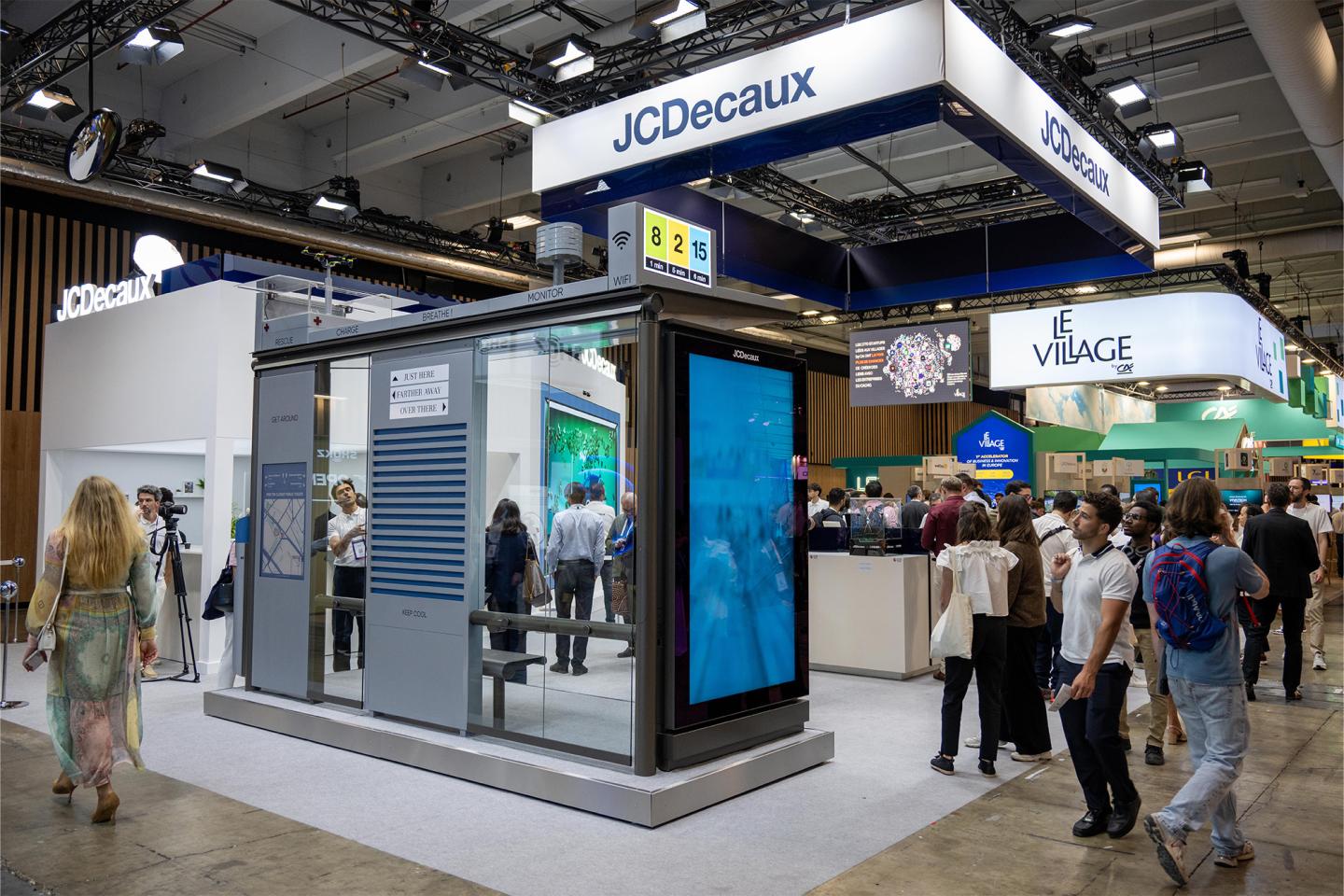
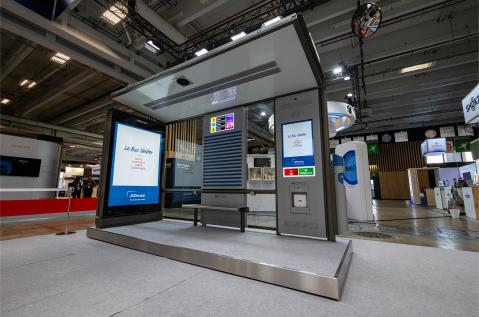
JCDecaux presented LE Bus Shelter as a full-scale demonstrator of what bus shelters could look like in the years ahead. Conceived as a hub for urban services, it combines cutting-edge technology with environmental restraint.
Enhanced, inclusive passenger information
LE Bus Shelter brings together three complementary features for passenger information:
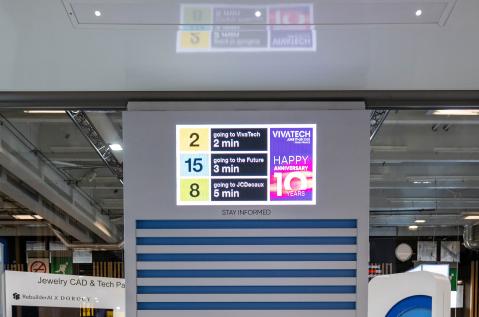
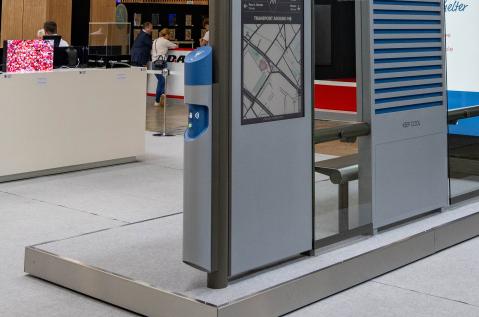
- A waiting time screen provides real-time bus arrival times to make journeys easier.
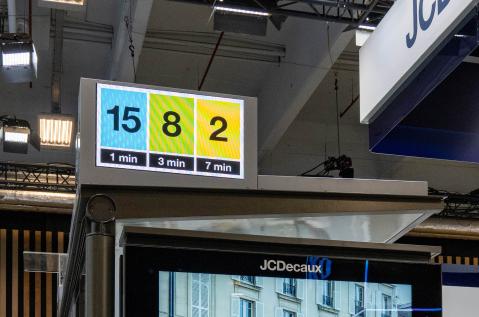
- Roof-mounted signage shows waiting times in real time via an LED display, improving readability even from a distance.
- A directional loudspeaker, positioned under the roof, broadcasts waiting times and thus improves access to information for everyone. The sound is spatially localised, informing passengers under the shelter without disturbing passers-by.
The aim? To encourage the use of public transport by ensuring clarity, efficiency and accessibility for all.
Thermal comfort at the heart of use
With heatwaves becoming more frequent, waiting at bus stops is now a matter not only of comfort but also of public health. LE Bus Shelter incorporates two complementary cooling solutions:
- A “natural cooling module”: inspired by “desert fridges”, this passive system can reduce the temperature under the shelter by 7 to 10°C when the outside temperature reaches 35°C. A low-tech, low-energy solution devoted to thermal comfort.
- An individual misting device, unveiled as a preview. This system, patented by JCDecaux, offers occasional cooling for people while keeping water consumption under control.
These innovations turn the passenger shelter into an urban refuge during periods of extreme heat, supporting passenger well-being.
A roof that becomes a service platform
Beyond its primary function as shelter, the roof of LE Bus Shelter becomes a technological platform serving the city:
- Wi-Fi, data and connectivity to power digital services and feed useful information back to local authorities about how the city operates.
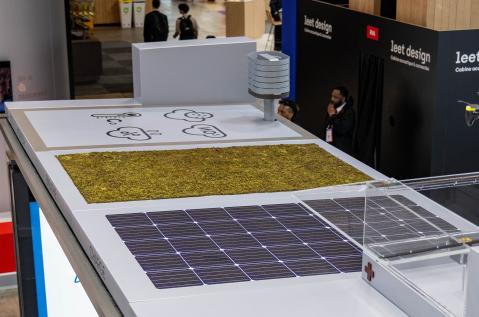
- Photovoltaic panels that power part of the street furniture’s features with renewable energy.
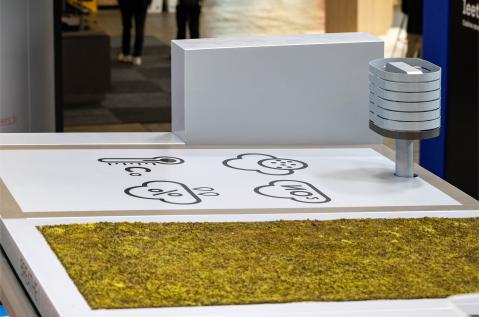
- The Filtreo system, combining plant-based moss with controlled ventilation to filter the air and deliver cleaner air under the shelter.
This service layer transforms the bus shelter into an intelligent micro‑infrastructure, at the intersection of the connected city and the sustainable city.
A relay for emergency services
Finally, LE Bus Shelter includes safety and emergency features:
- An emergency contact point allows users, in case of urgency, to press a button and be put directly through to the emergency services.
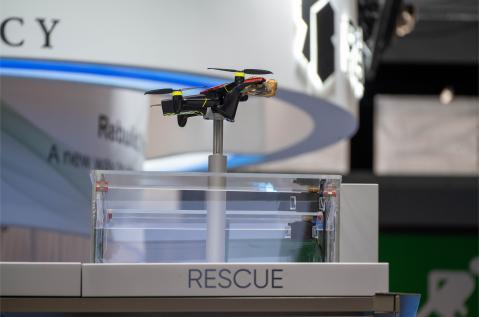
- On the roof, a drone can be remotely operated by emergency teams in the event of an incident to carry out site reconnaissance and determine the resources needed for the intervention.
The bus shelter thus becomes a support point for urban safety, able to contribute to the management of emergency situations.
At VivaTech 2026, this concept was presented at full scale, enabling everyone – visitors, elected representatives, transport operators and technology partners – to experience a innovative bus stop, designed for everyday life.